2 Code Fire & Build
Passive Fire Protection Vs Active Fire Protection: What Builders Need To Know
If you are managing a commercial build in Queensland, you have almost certainly seen "passive fire protection" and "active fire protection" used interchangeably in a fire engineering report, only to find out later they are not the same thing at all. Getting that distinction wrong, or leaving it as an afterthought once the walls are closed in, is one of the more common reasons a project stalls at final inspection. At 2Code Fire and Build, we see this play out on real sites across Brisbane, the Sunshine Coast and Bundaberg, so here is the plain-English version every builder should know before scoping a job.
What Passive Fire Protection Actually Does
Passive fire protection is built into the structure itself. Fire-rated walls, fire doors, structural steel protection and sealed service penetrations all work continuously, without needing to detect anything or switch on. Their job is to hold a fire and its smoke inside one compartment for a set period, measured as a Fire Resistance Level (FRL) under AS 1530.4, giving people time to get out and firefighters time to get in.
Where Active Fire Protection Comes In
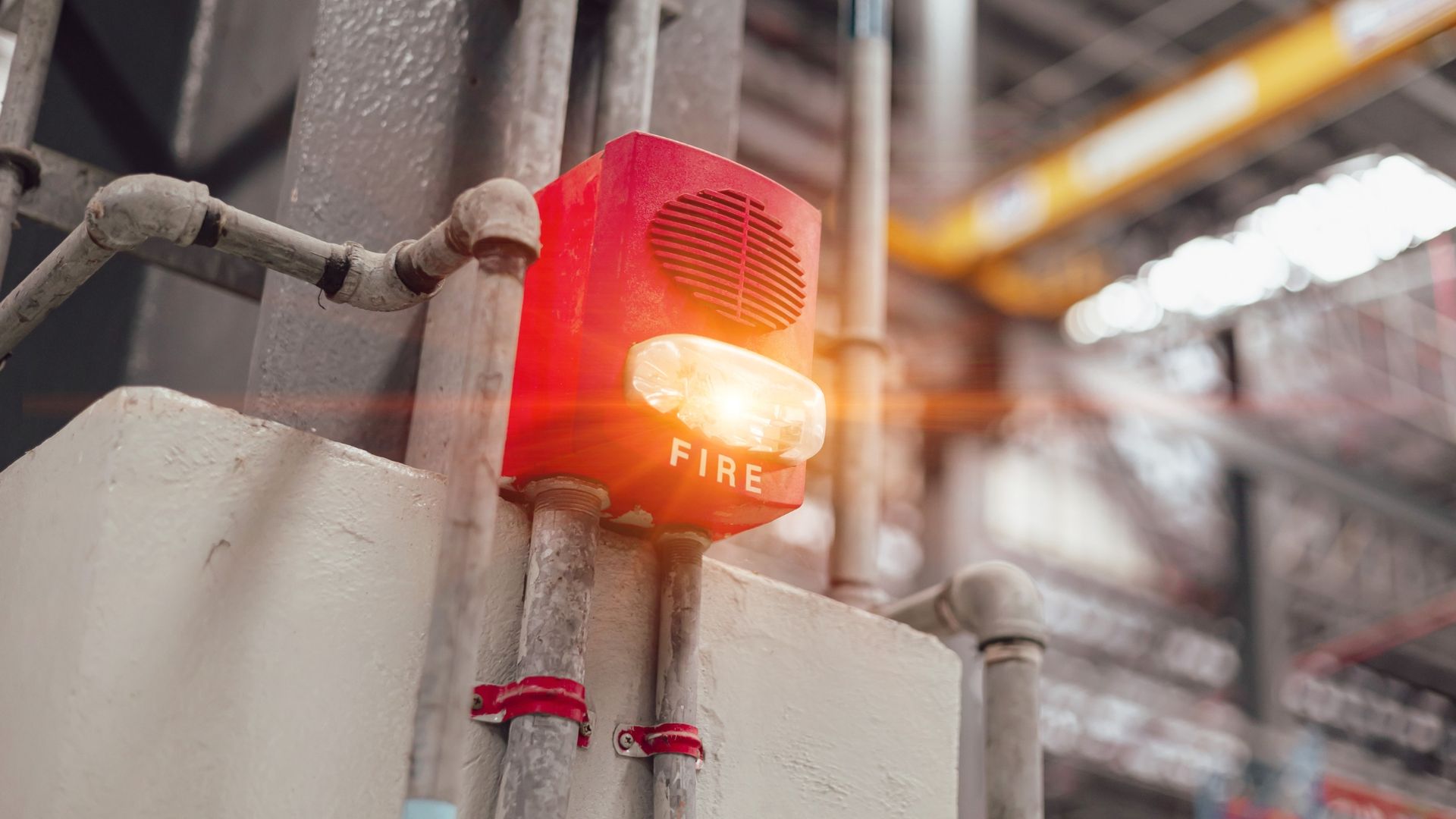
Active fire protection is everything that has to detect a fire and then respond, such as sprinklers, alarms and smoke exhaust systems. These systems need power and regular servicing to do their job, and they only activate once a fire has already started. Most Queensland fire safety strategies, and the National Construction Code's Part C1 fire resistance requirements, rely on active and passive systems working together, not one replacing the other.
We have installed and certified fire-rated systems on live sites including an aged care facility in Toowoomba and a hospital in Bundaberg, where compartmentation has to be exactly right while residents and patients remain on site. In our experience, the projects that run smoothly are the ones where passive systems are scoped alongside active ones from day one, rather than bolted on once construction is already underway. A mismatch between the two is one of the more common reasons a Form 12 gets held up.
Whether you are building new, renovating, or trying to work out what your current fire safety strategy actually requires, our team can walk you through exactly where passive fire protection fits into your project and keep it compliant with Queensland's requirements. Get in touch with 2Code Fire and Build to talk through your next build before the walls go up.